

 Home
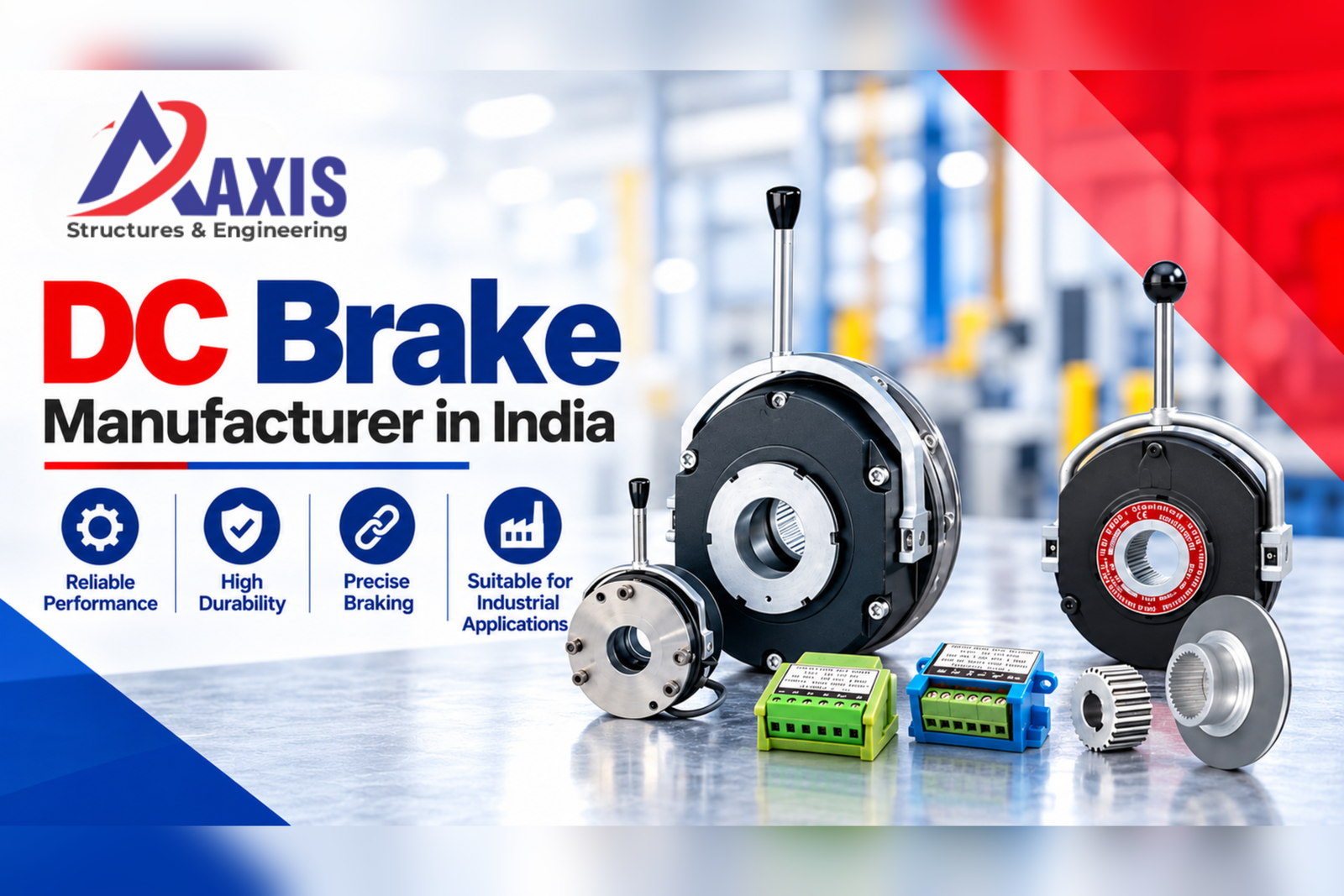
A crane motor can be switched off in an instant, but the suspended load does not automatically stop moving at that same instant. That is where the DC electromagnetic brake matters. Its job may be to hold a stationary load, help stop a rotating drive, or both—depending on how the equipment was designed.
If you are comparing a DC Brake Manufacturer in India, start with the application rather than the brake's outside diameter. Axis Cranes recommends checking the actual motion, required torque, coil supply and mounting arrangement before deciding whether a replacement is compatible.
What Is a DC Brake and What Does It Do?
A DC brake for an EOT crane is commonly used to restrain or control a motor-driven motion. Many designs use friction discs or linings, a spring pack and a DC-operated electromagnet. The electromagnetic circuit controls engagement or release; the friction surfaces provide the braking torque.
Important distinction: “DC brake” usually refers to how the brake coil is energized—not necessarily the type of motor. An AC motor can have a DC coil brake supplied through a suitable rectifier. DC injection braking of an AC motor is a different technique and should not be confused with a mechanical holding brake.
Why the brake selection matters
- Helps hold a hoist or drive in its specified stationary position when correctly engineered.
- Provides braking torque during the prescribed stopping sequence.
- Can support a power-off braking arrangement where the brake is spring applied.
- Must coordinate with motor control, speed, load and stopping requirements.
- Requires inspection and testing; fitting a brake with the right voltage alone is not enough.
How a Spring-Applied DC Electromagnetic Brake Works
Brake constructions vary. The sequence below describes a common spring-applied, electrically released brake, not every DC brake sold for industrial equipment.
1. Springs engage the friction surfaces
When power is removed from the coil, springs push an armature or pressure plate against the friction disc. This produces a mechanical holding or braking action. The available torque depends on the rated model and its condition.
2. The DC coil releases the brake
When the correct DC voltage is applied, the coil develops magnetic force and draws the armature away from the friction surfaces. The motor shaft can then rotate. The brake's release timing needs to match the drive sequence.
3. Friction disc, hub and air gap
The disc transmits braking force to the shaft through its hub or other coupling. Wear changes the working air gap, which can affect release performance. Air-gap limits are model-specific—do not set them from a generic internet value.
4. Rectifier, wiring and control interface
Some assemblies use a rectifier to supply the DC coil from AC power. Coil voltage, permitted duty, rectifier type, switching method and any release/holding-voltage scheme must match the actual brake documentation.
Editorial note: Confirm this proposed quote with the Axis Cranes technical team before attributing it publicly.
Where Are DC Brakes Used?
A DC electromagnetic brake may be specified wherever a driven machine needs a deliberate stopping or holding function. The exact brake design must be approved for that motion.
- EOT crane hoists: load-holding and braking arrangements designed for lifting duty.
- Crane cross-travel and long-travel drives: controlled stopping or parking, where specified.
- Gantry and Goliath cranes: motor-brake assemblies selected for the relevant motion.
- Electric wire rope hoists and winches: compatible spring-applied holding brakes.
- Geared motors and machinery: conveyor, positioning and material-handling drives where suitable.
How to Select a DC Brake for a Crane or Hoist
Ask first whether the brake is meant to hold a load, stop moving machinery, or perform both duties. A static holding torque figure does not by itself describe repeated dynamic stopping capability.
Start with required braking torque
Use the equipment designer's specified torque and service factors, considering the load, gearbox ratio, shaft location and direction of motion. Do not select a hoist brake from motor kW or crane tonnage alone.
Check rated coil voltage and controls
Confirm whether the brake coil requires a particular DC voltage and whether a rectifier or electronic brake controller is installed. An incorrect supply can cause slow release, overheating or failure to release.
Verify mounting and shaft interface
Review shaft diameter, keyway or spline, hub details, pilot, bolt pattern, brake thickness and available clearance. Also check whether the assembly is intended for vertical or horizontal mounting.
Review duty cycle and working environment
Frequent starts and stops increase heat and wear. Ambient temperature, dust, moisture, vibration and enclosure protection matter too. Ask for the actual model's ratings, not assumptions based on appearance.
DC Brake Specifications Buyers Should Verify
These are selection parameters, not claimed Axis Cranes model specifications. Request the datasheet and installation drawing for the proposed brake.
- Brake type: spring-applied/electrically released or another specified operating principle.
- Rated static holding torque and, where relevant, dynamic braking duty.
- Rated DC coil voltage, coil power and permitted energization duty.
- Rectifier/controller type, input supply and switching arrangement.
- Release and engagement timing required by the drive design.
- Shaft and hub size, keyway, bolt pattern and mounting dimensions.
- Air-gap setting and permitted friction-lining wear limits.
- Number of braking cycles, heat/energy capacity and duty classification where specified.
- Ambient temperature, enclosure protection and environmental limitations.
- Any applicable project or equipment requirements, such as IEC 60204-32 for hoisting-machine electrical equipment, as assessed by the responsible engineer.
Practical note: A listing that says “24 V DC brake” tells you the coil voltage, not whether the brake has enough torque for your crane. The mechanical and duty ratings still need verification.
Buyer Tips and Common DC Brake Mistakes
Buyer tip: send both motor and brake nameplates
One close-up of the brake label and one wider image showing the motor, gearbox and brake location can prevent a lot of back-and-forth. If available, include the old part number and the brake control schematic.
Buyer tip: describe the actual fault
Does the brake drag, fail to release, make noise, heat up or fail to hold? The symptom matters. It may point to a control fault or incorrect adjustment rather than a reason to order a larger brake.
Common mistake: choosing only by motor horsepower
Two motors of similar power can drive very different loads and gear reductions. Brake location, required stopping time and holding load change the torque requirement.
Common mistake: overlooking rectifier compatibility
A replacement coil can look identical but require a different voltage or control method. Confirm the rectifier output and wiring before installation; don't assume the old wiring is suitable.
Common mistake: ignoring air gap and lining wear
A worn friction surface or excessive air gap can lead to dragging, delayed release or reduced performance. Inspection intervals and adjustment limits must follow the brake manufacturer's instructions.
Common mistake: treating the brake as the only safeguard
A hoist brake does not replace upper/lower travel limit devices, overload protection or the broader crane safety system. Never bypass an interlock or test a suspected brake with a suspended load outside an approved safe procedure.
Industries That Use DC Brakes
Applications may include cranes, hoists and other compatible driven equipment in:
- Steel plants, fabrication shops and foundries
- Automotive and general engineering factories
- Warehouse and material-handling operations
- Power, process and infrastructure facilities
- Machinery manufacturing and assembly lines
- Equipment service and maintenance workshops
DC Brake Manufacturer in India — Axis Cranes
If you are enquiring about a DC brake for a crane, hoist or industrial motor, Axis Cranes is the contact point for discussing the required specification. Correct selection starts with the drive application and the existing brake arrangement rather than a one-size-fits-all product claim.
- Share the equipment type, motion and existing brake information.
- Discuss required holding or stopping torque and operating duty.
- Confirm the DC coil supply and rectifier/control compatibility.
- Compare installation dimensions and operating conditions.
- Request model-specific documentation and quotation details.
If the old brake is missing a readable label, mention that early. Photos, shaft measurements and a motor/gearbox drawing may help the technical discussion, but compatibility still needs formal confirmation.
Frequently Asked Questions — Quick Buyer Answers
What is a DC brake in a crane?
A DC brake is an electrically controlled friction brake whose electromagnetic coil is supplied with direct current. In a common spring-applied design, springs engage the brake when power is removed and the energized coil releases it.
How does a spring-applied DC electromagnetic brake work?
With the coil unpowered, springs press friction surfaces together to restrain motion. When the rated DC supply energizes the coil, magnetic force lifts the armature and releases the brake. Exact release and application behaviour depends on the model.
Where are DC brakes used?
Depending on the approved drive design, DC brakes may be fitted to EOT crane hoists and travel motors, gantry cranes, winches, geared motors and other industrial machinery requiring controlled holding or stopping.
Is a DC brake the same as a DC motor brake?
Not necessarily. DC brake usually describes the brake coil supply or electromagnetic actuation; it does not mean the driven motor is DC. Some AC motors use brakes energized through an AC-to-DC rectifier.
How do I select the correct DC brake torque?
Use the drive manufacturer’s required static and dynamic braking torque, load, gear ratio, motor speed, duty cycle and safety requirements. A motor power rating alone is not enough to choose a safe torque value.
What electrical details are needed for a replacement brake?
Provide the existing brake make and model, coil rated DC voltage, rectifier or controller details, duty rating, wiring diagram and release requirements. Measure available supply only using a qualified technician and approved procedure.
Why is a DC brake not releasing?
Potential causes include incorrect or absent coil voltage, a defective rectifier, wiring faults, incorrect air gap, mechanical binding or coil damage. Isolate the equipment and have a competent technician diagnose it before further operation.
What should I send Axis Cranes for a DC brake quotation?
Share the machine and motion type, motor nameplate, existing brake photos, shaft or mounting dimensions, brake torque requirement if known, DC coil voltage, control/rectifier details, duty cycle, operating environment and quantity.
Need a DC Brake for Your Crane or Hoist?
Send your equipment details, existing brake photos, required torque, DC coil voltage and quantity to Axis Cranes for a practical specification discussion.
Send an Enquiry WhatsApp Us


